From Porto to Santiago, How to Walk the Camino de Santiago Portugués
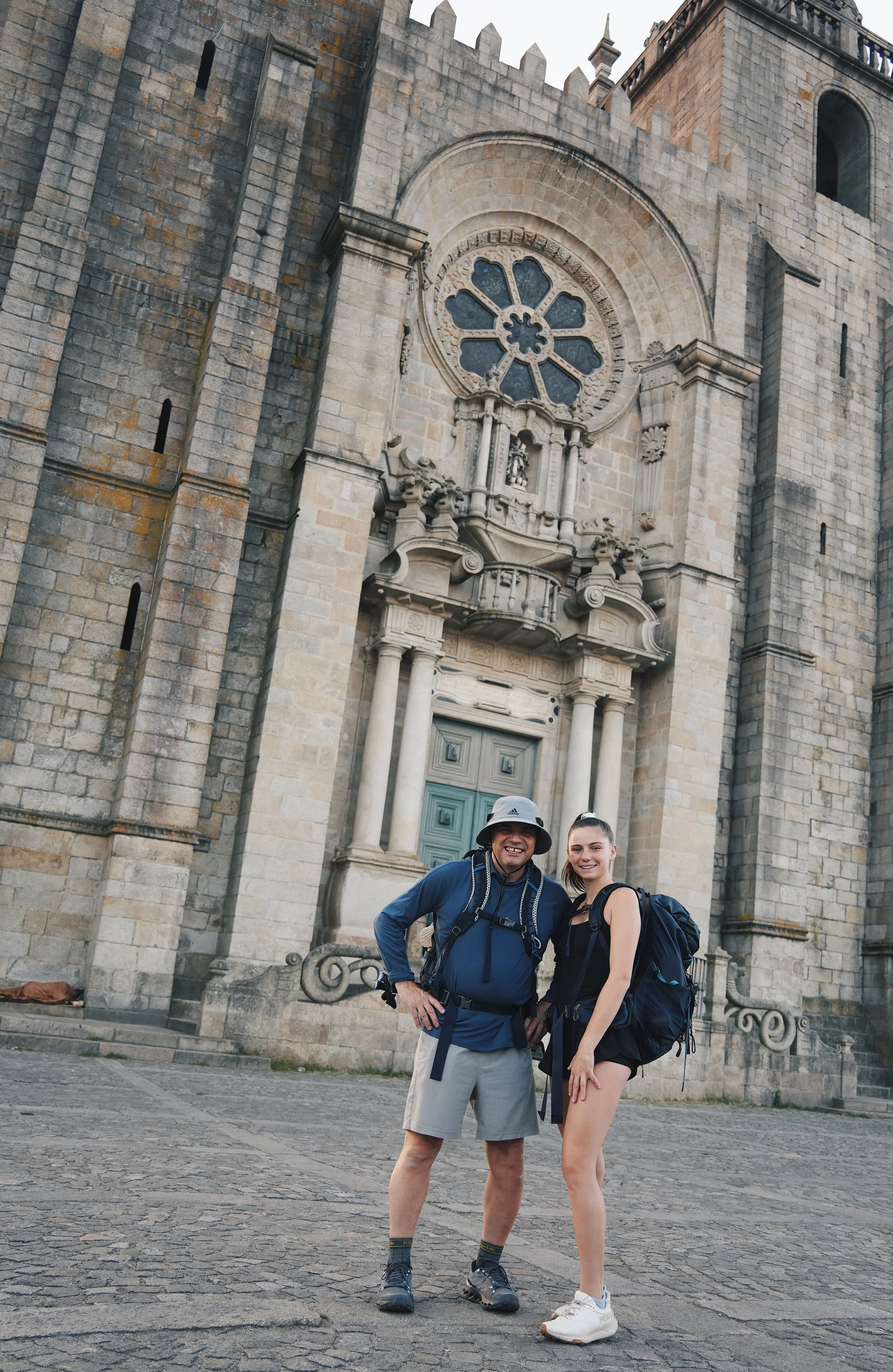
In August of 2025, I walked the Camino de Santiago Portugués with my father.
Below is the itinerary that I planned for us. I booked our accommodations about five months in advance, all through Booking.com and chose to stay in these towns because they’re the more popular ones along the route—but you can absolutely stay in smaller villages in between if you’d prefer something quieter or sometimes, slightly even more affordable. We followed the Litoral Route (the trail closest to the coast), but on some days we merged onto the Coastal Route depending on distance and weather. Some days, both the litoral and coastal routes may be close to each other and have small differences (elevation gain, scenery, etc). Once we reached Redondela, we joined the Central Route to head inland toward Santiago, which is what most people on the Litoral route do.
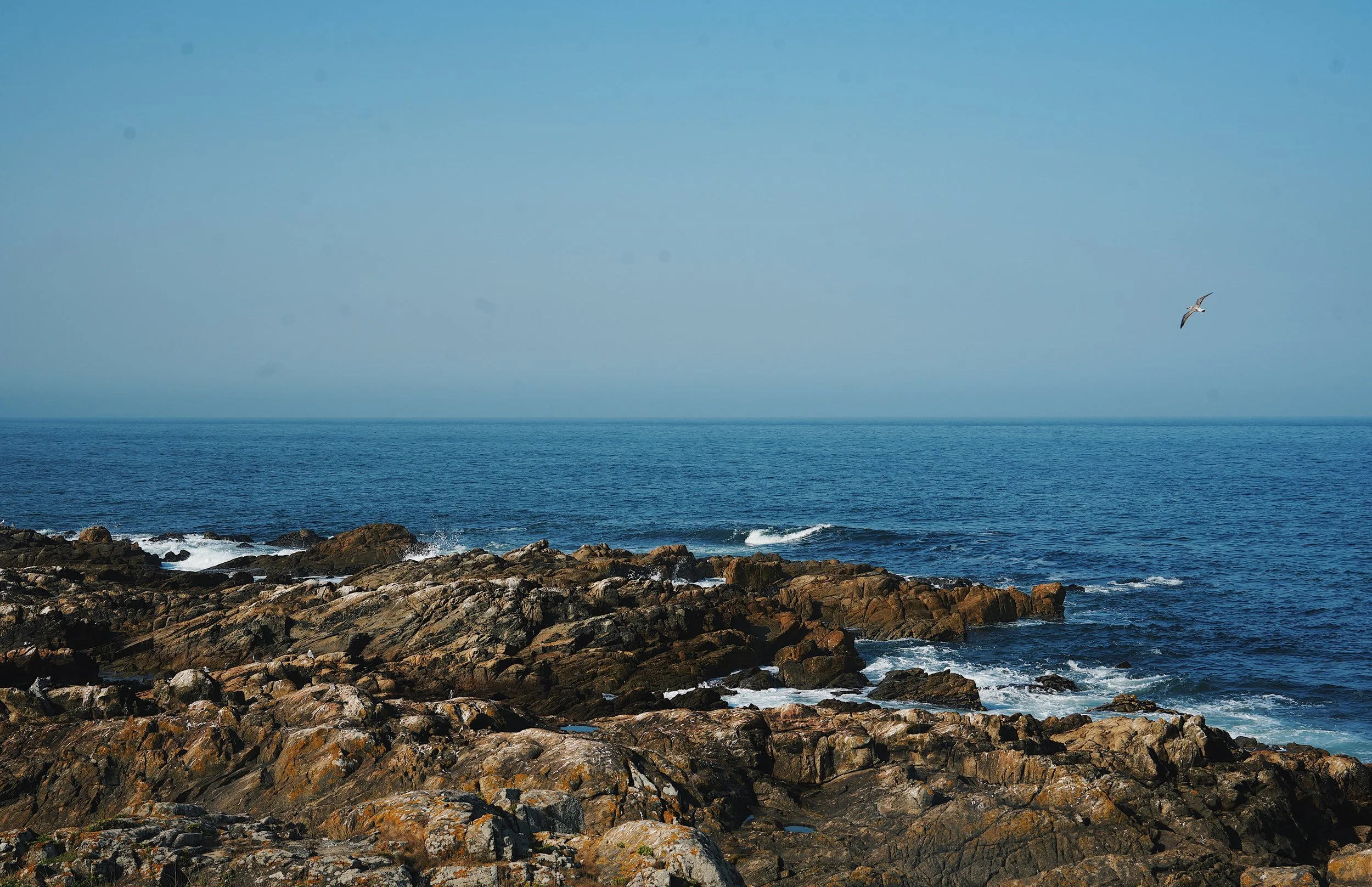
Views of the Atlantic Ocean on your left
Day 1: Porto → Vila do Conde
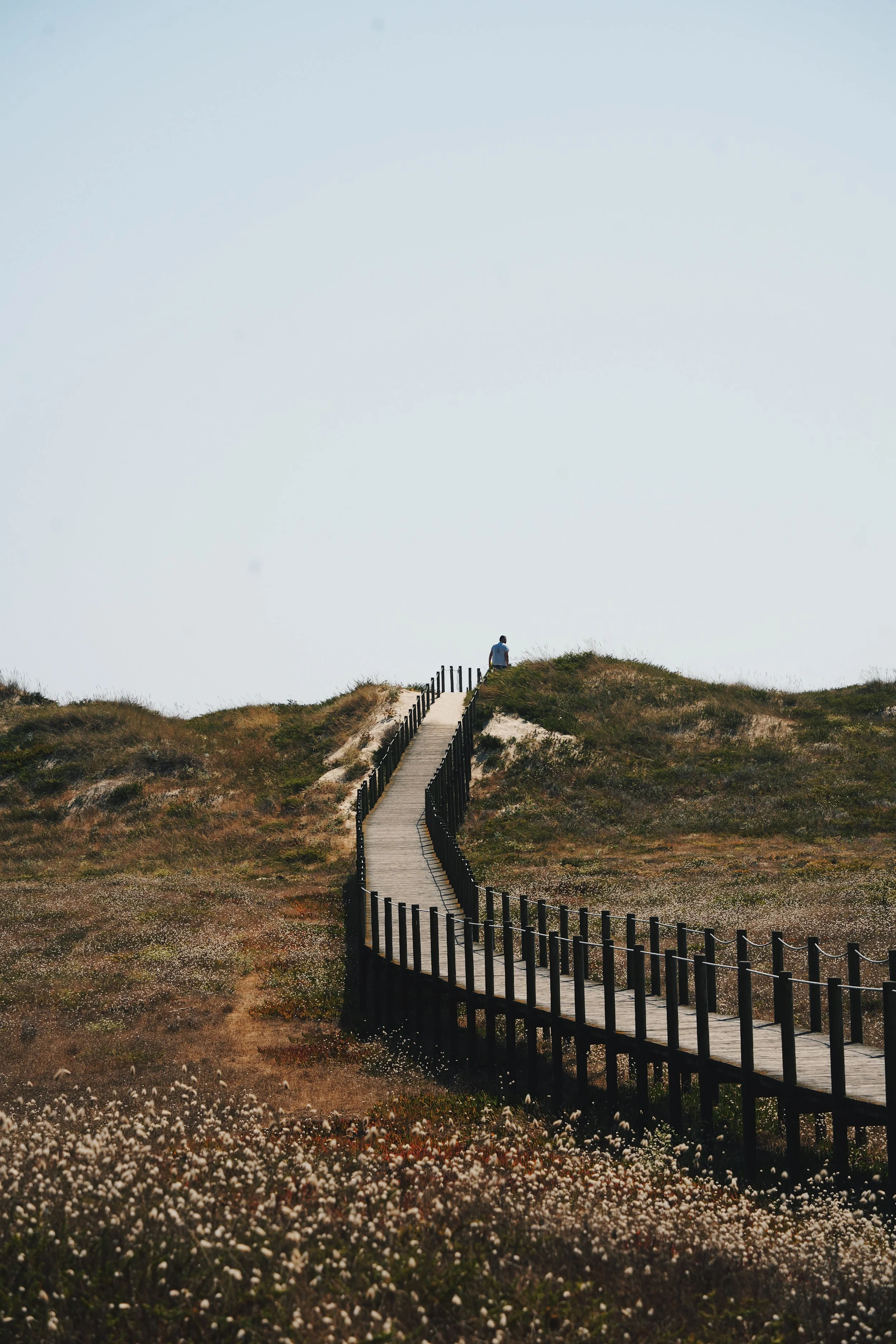
Follow boardwalks along the coast, passing beaches and fishing villages.
Litoral route: 33.9 kilometers/ 21 miles
Coastal route: 28.4 kilometers / 17.6 miles
If you’re starting the Camino from Porto, one option is to take bus 500 to the “Mercado Municipal de Matosinhos” stop, which cuts out the first ~10 kilometers (6.2 miles). Many pilgrims choose this to save energy on day one, avoid an overly long first stretch, and to begin directly along the coast. From Matosinhos, the Litoral Route follows the shoreline, with most of the walk on comfortable wooden boardwalks. You’ll pass plenty of busy beaches, cafes, and have easy access to free, public bathrooms and water fountains along the way. If you’re visiting in a warmer month, then I highly recommend taking a dip in the ocean after you’ve arrived in Vila do Conde, as it has one of the best and most convenient beaches of the trip.
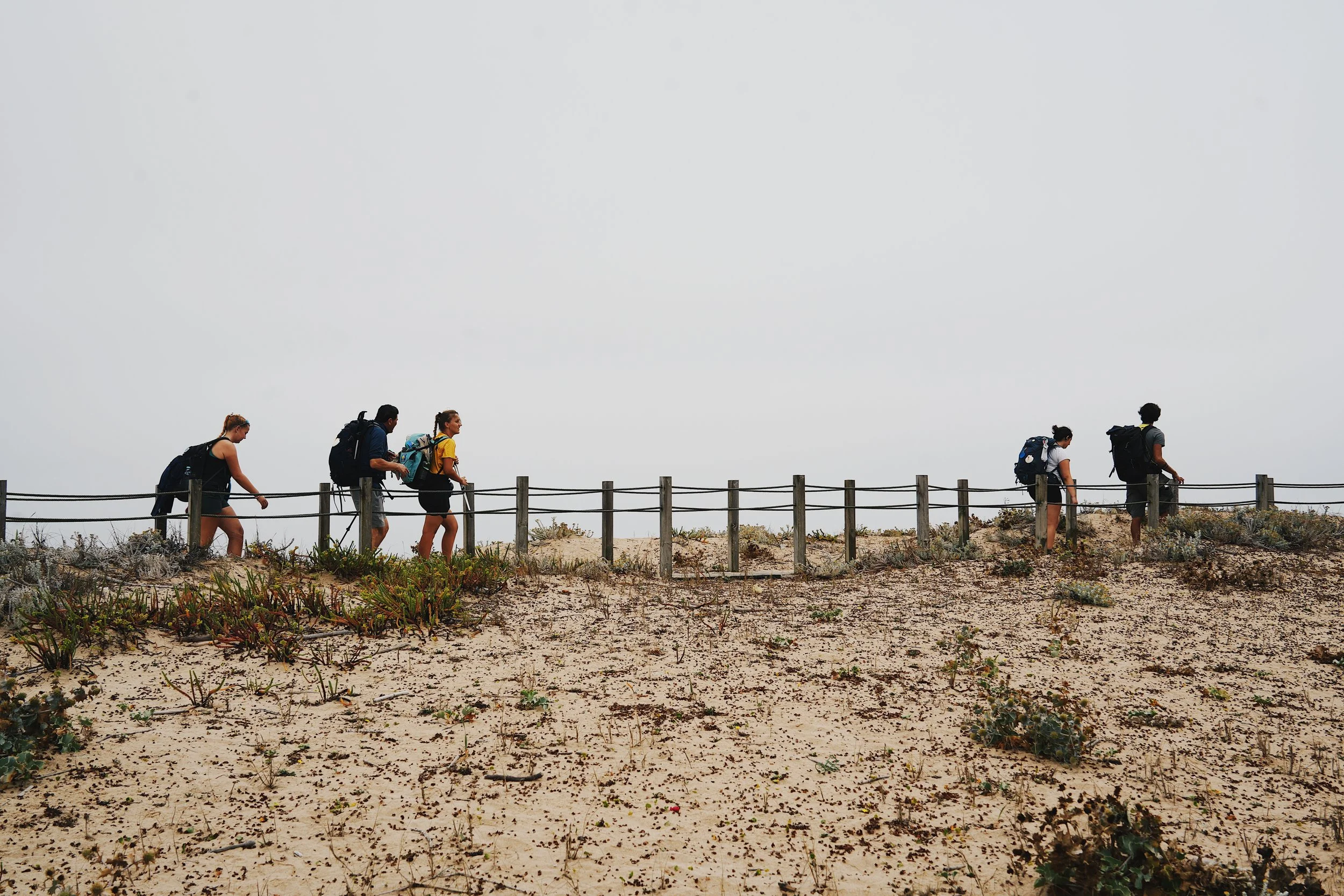
A boardwalk along the beach
Day 2: Vila do Conde → Esposende
Cross wooden walkways and rivers, staying in a charming seaside town.
Litoral route: 26.4 kilometers/ 16.4 miles
Coastal route: 23.7 kilometers / 14.7 miles
You’ll probably wake up a little sore this morning, but fortunately, there are plenty of cafés to grab breakfast as you pass through some lively coastal towns at the start of the day. Before long, the trail returns to boardwalks beside the ocean, then leads into quieter beaches and stretches of vegetation, so be sure to fill up on food or water beforehand. We stopped for lunch at 3 Copos, where the food was excellent and the service even better. The final stretch includes some easy road walking back toward the coast, past silos and through small towns, before arriving in Esposende.
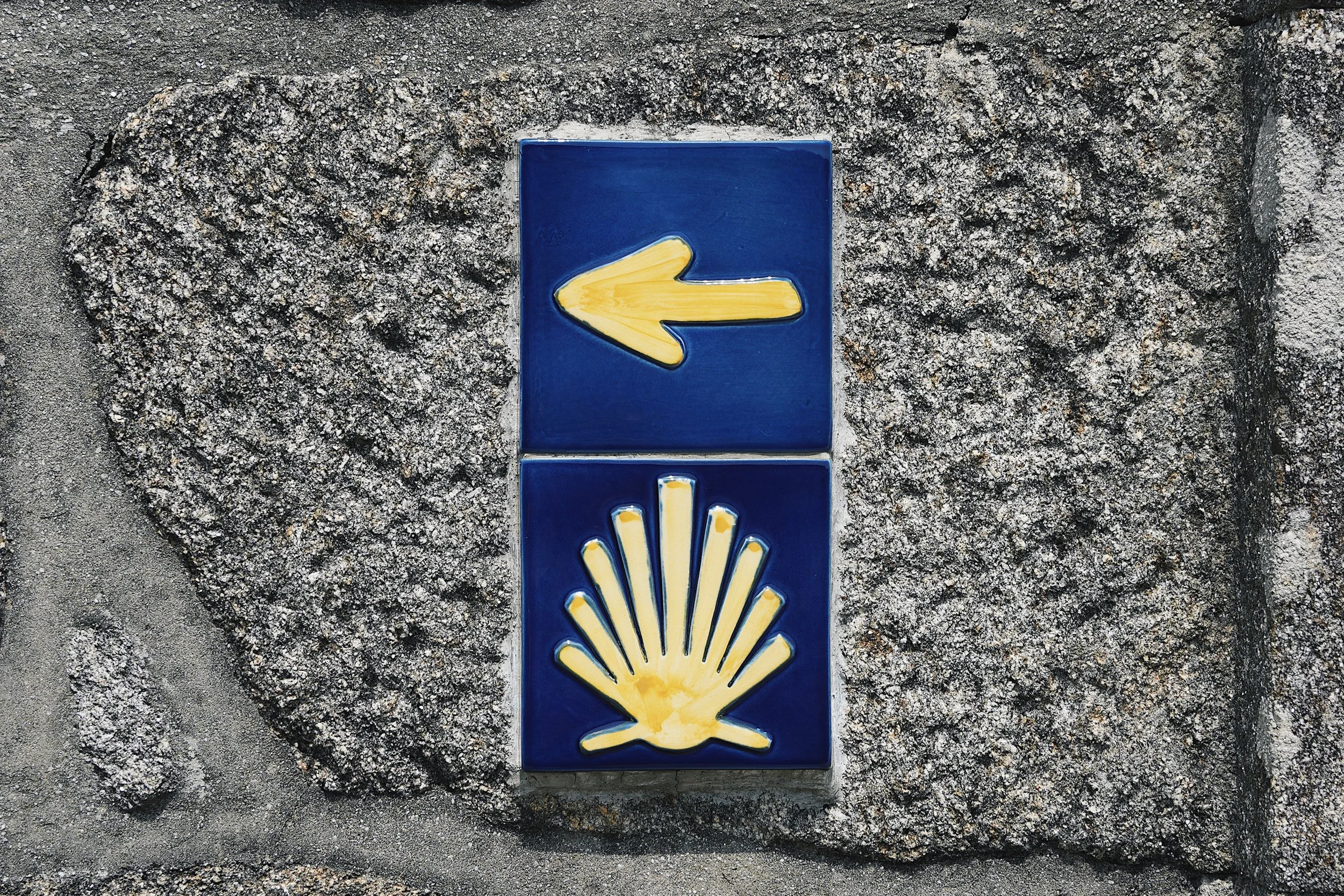
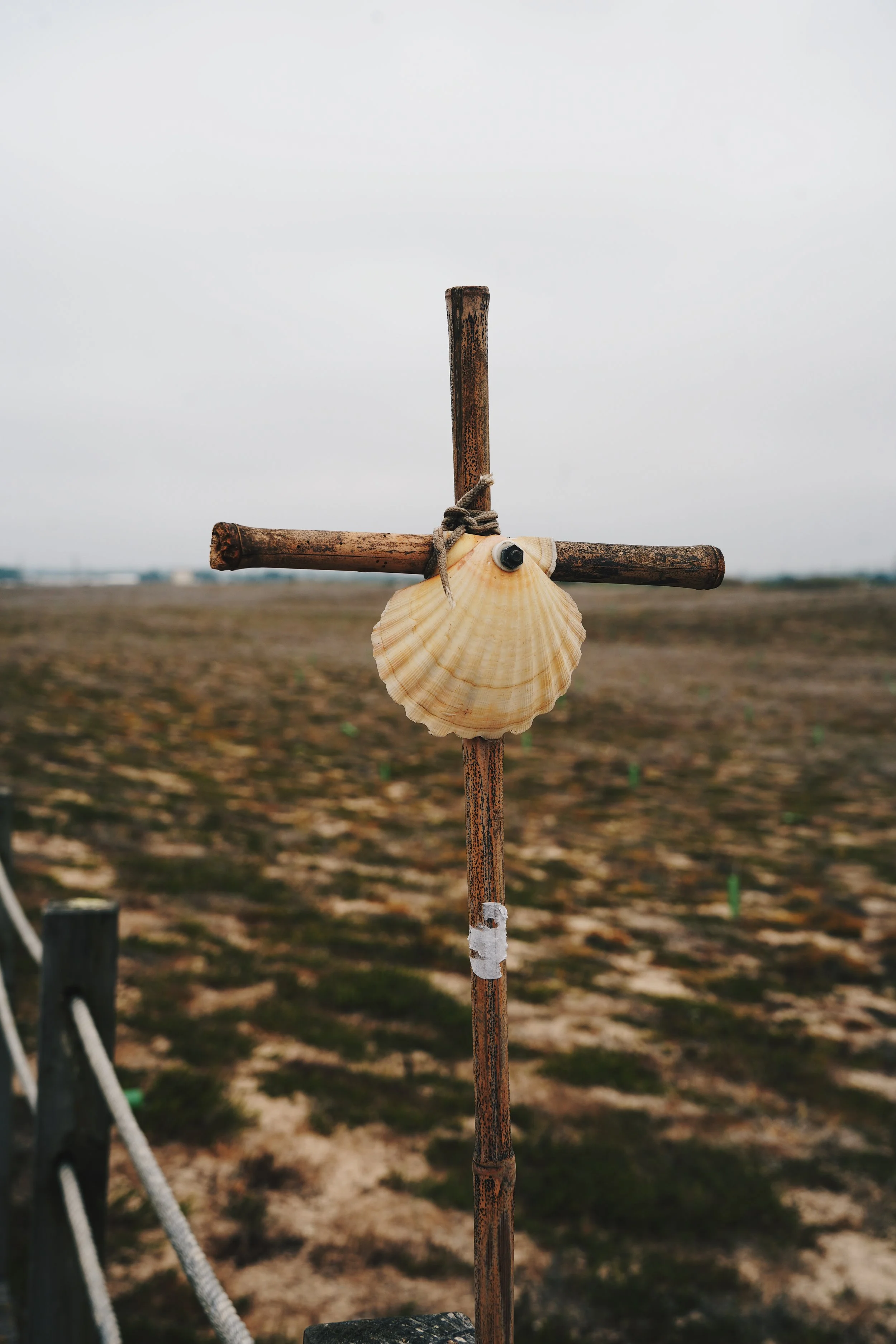
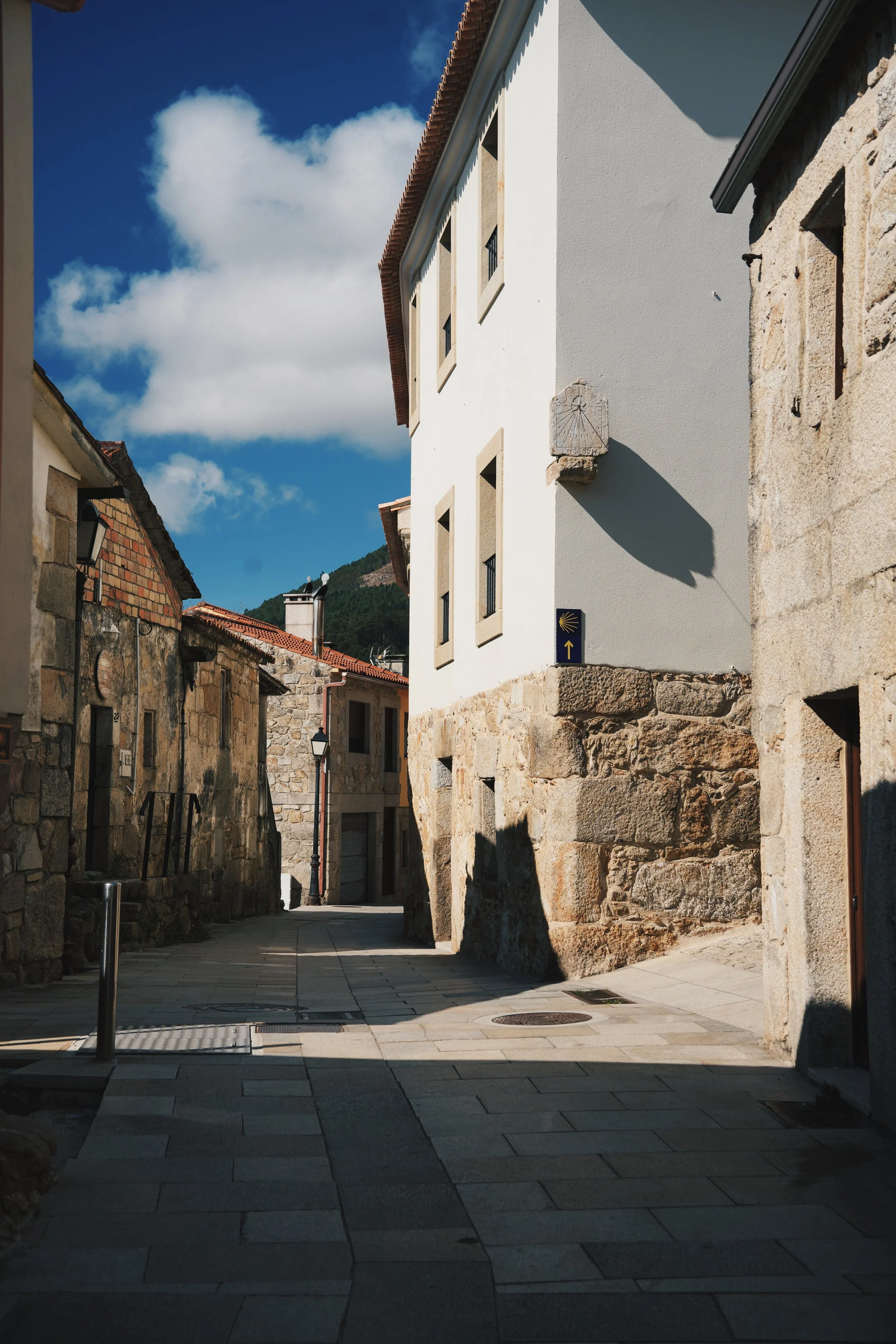
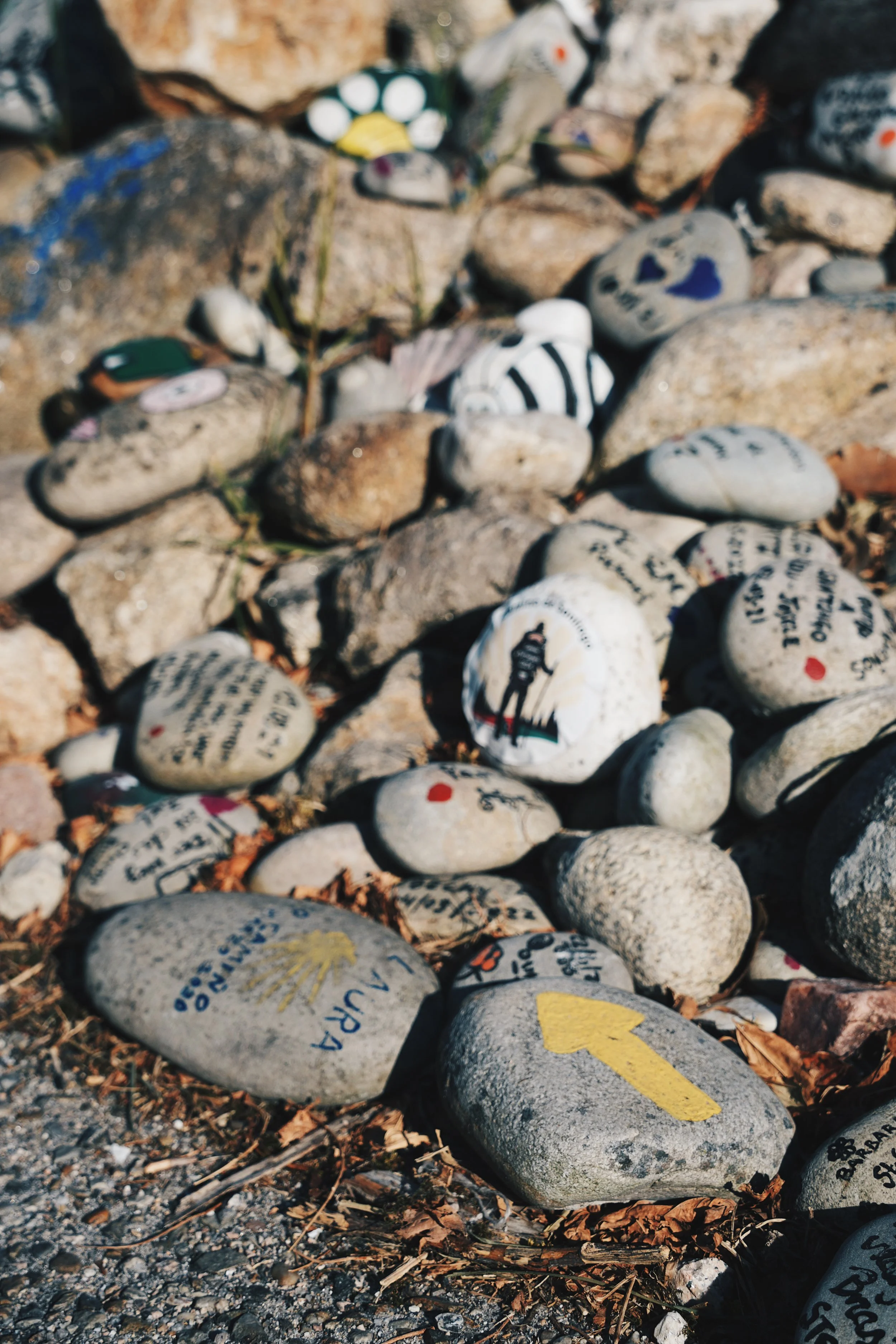
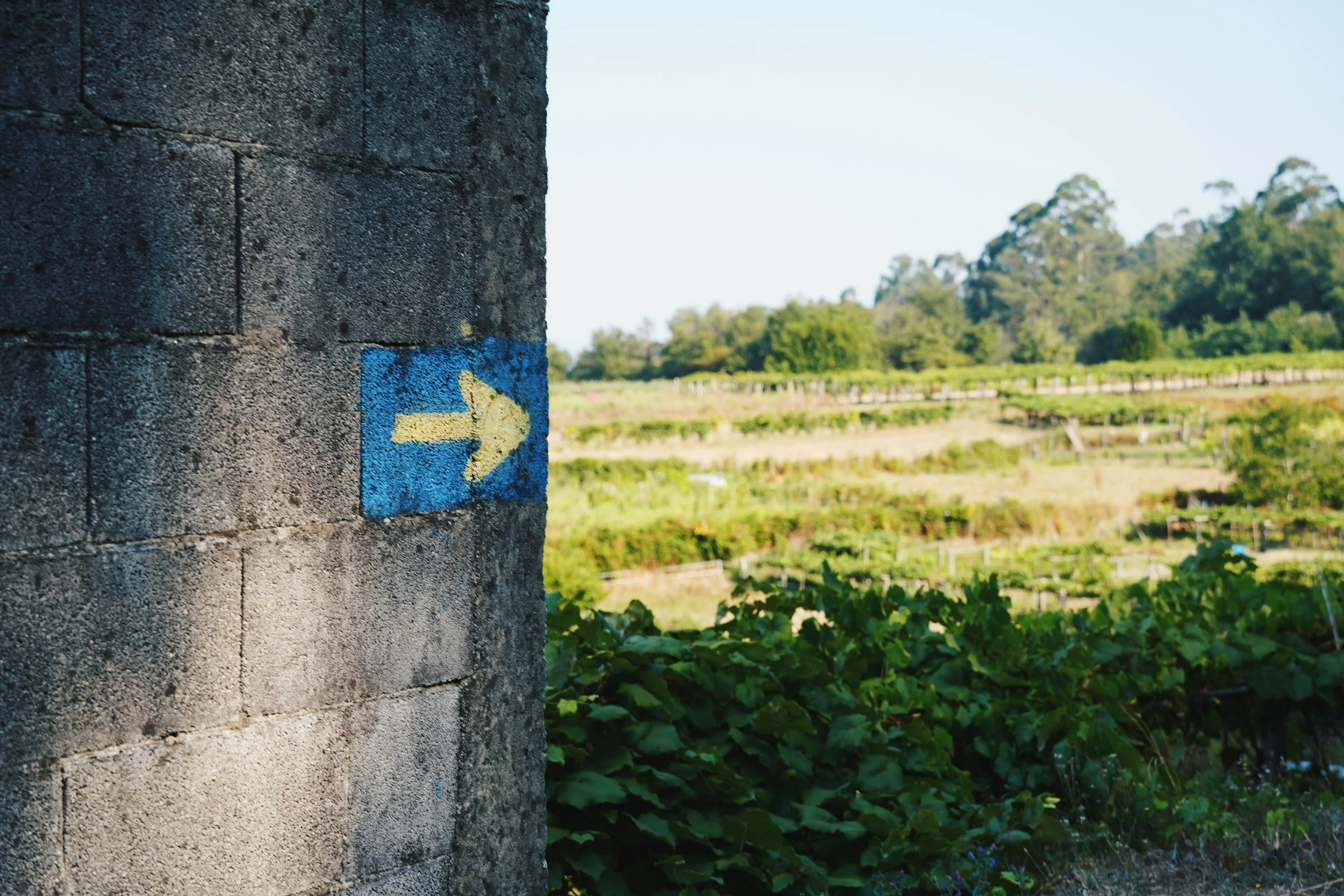
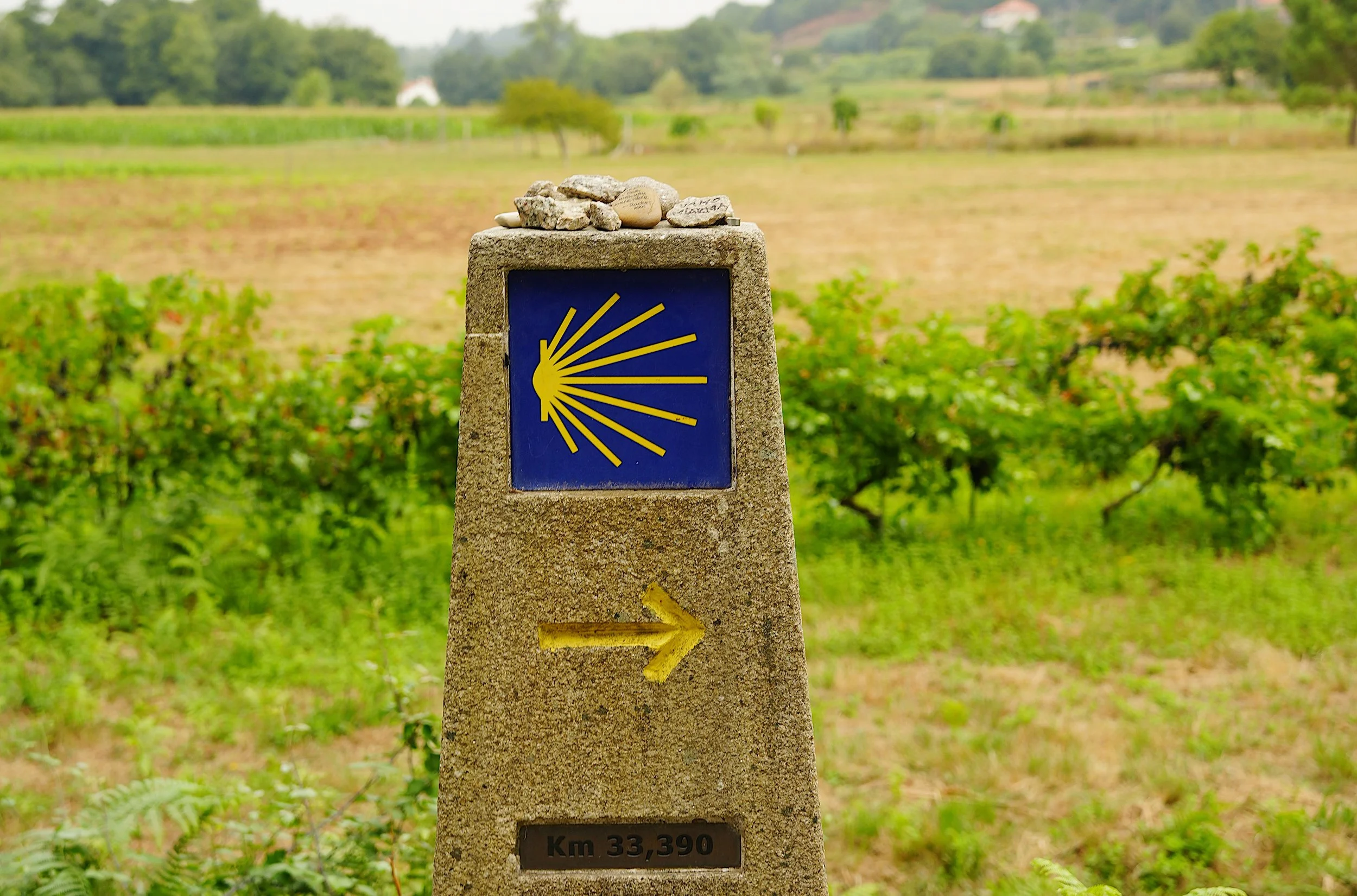
The yellow arrow and the scallop shell: two official symbols of the Camino
Day 3: Esposende → Viana do Castelo
Walk through coastal forests and riverside paths, and explore Viana’s historic center.
Litoral route: 27.3 kilometers / 17 miles
Coastal route: 26.3 kilometers / 16.3
Ready for some elevation? This is the day it begins. We followed a mix of the coastal and Litoral Routes, starting on boardwalks along the water before heading onto cobblestone streets, passing farms, and through small towns. For the first time on the Camino, we encountered a significant hill to climb — and descend — with some rocky sections where hiking poles were helpful. About halfway through, we stumbled upon a local’s stand along the path, where we ended up singing karaoke and dancing, which was easily the funniest moment of the day. Make sure to check out the historic center once you arrive in Viana do Castelo.
Day 4: Viana do Castelo → Caminha
A scenic day passing beaches, small villages, and forests.
Litoral route: 27 kilometers / 16.8 miles
Coastal route: 26.6 kilometers / 16.5 miles
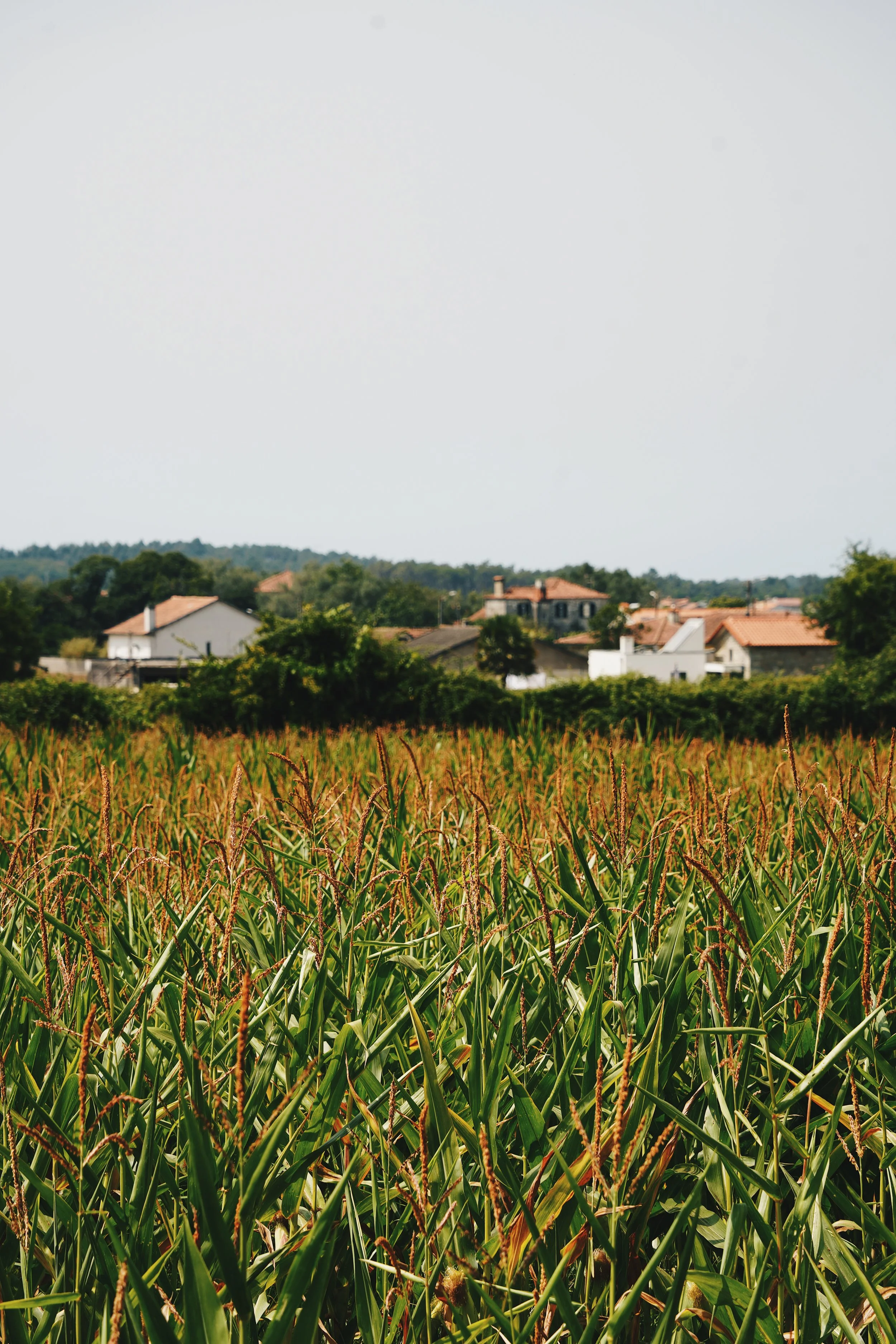
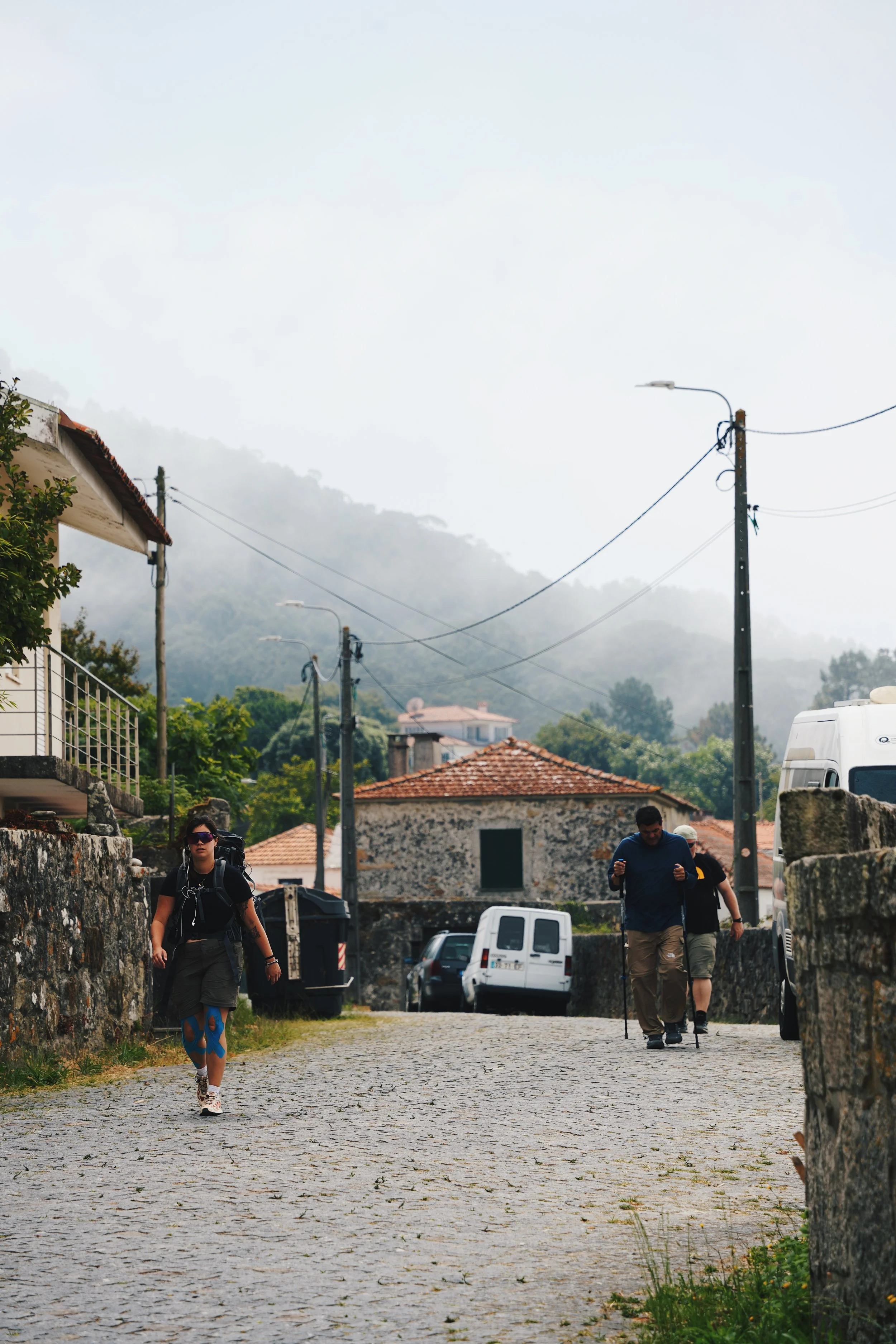
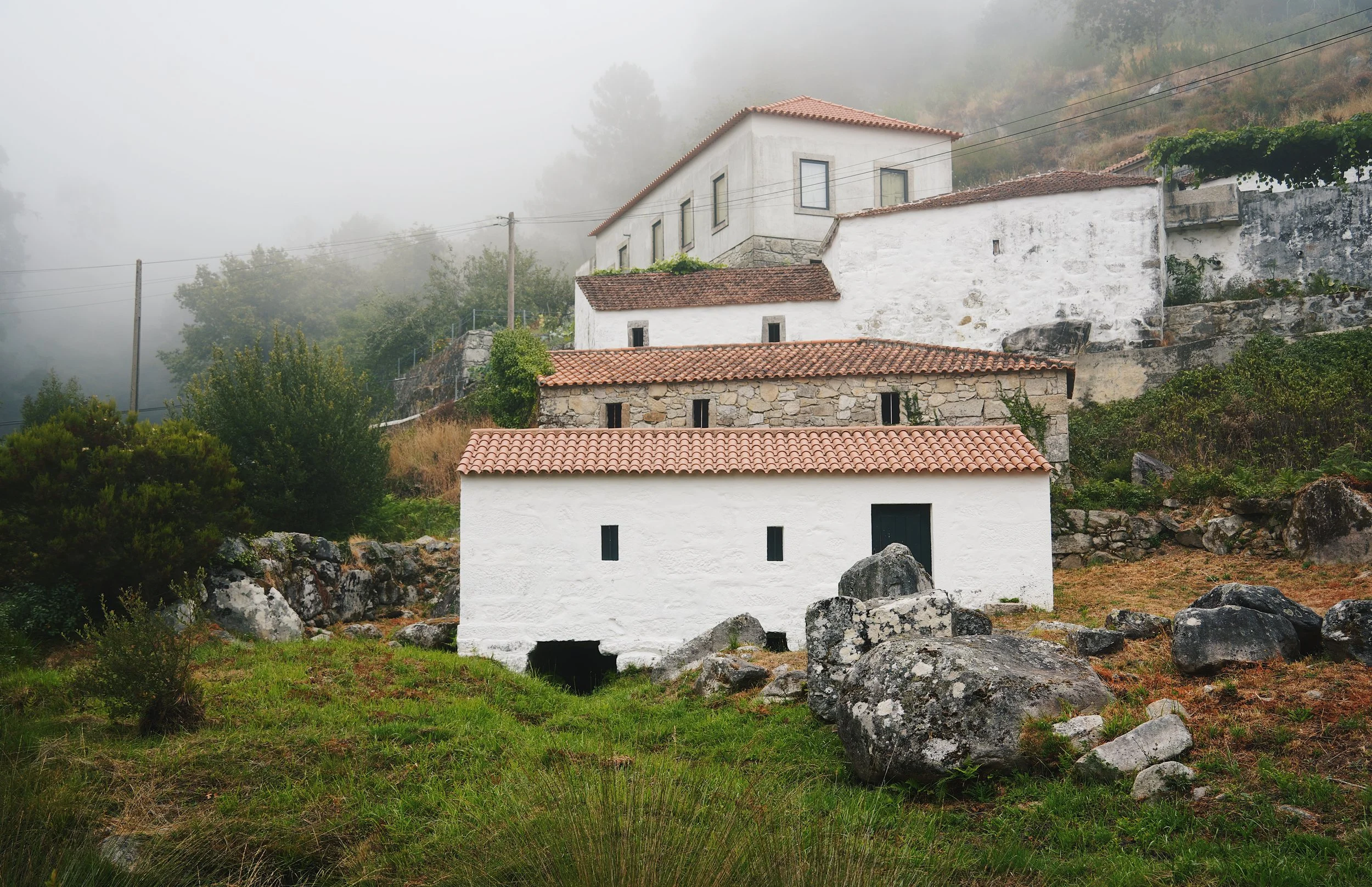
We opted for the Coastal Route this day since the fog was pretty thick near the water. The morning starts with a peaceful but hilly walk through quiet little villages, passing orange-roofed homes and slipping in and out of small forested sections. Eventually, we rejoined the Litoral Route in Vila Praia de Âncora, where we stopped for lunch. Once back along the water, you can start to see Spain in the distance. The final stretch consists of a walking path adjacent to the coast that feels like it goes on forever in the best way, as the views are beautiful. Just before reaching Caminha, the trail leads into an incredible forest filled with super tall trees. There are plenty of restaurant options in Caminha, making it a great place to unwind at the end of the day. It’s also a great place to spend the night because you can focus on crossing into Spain first thing the following morning and not feel rushed.
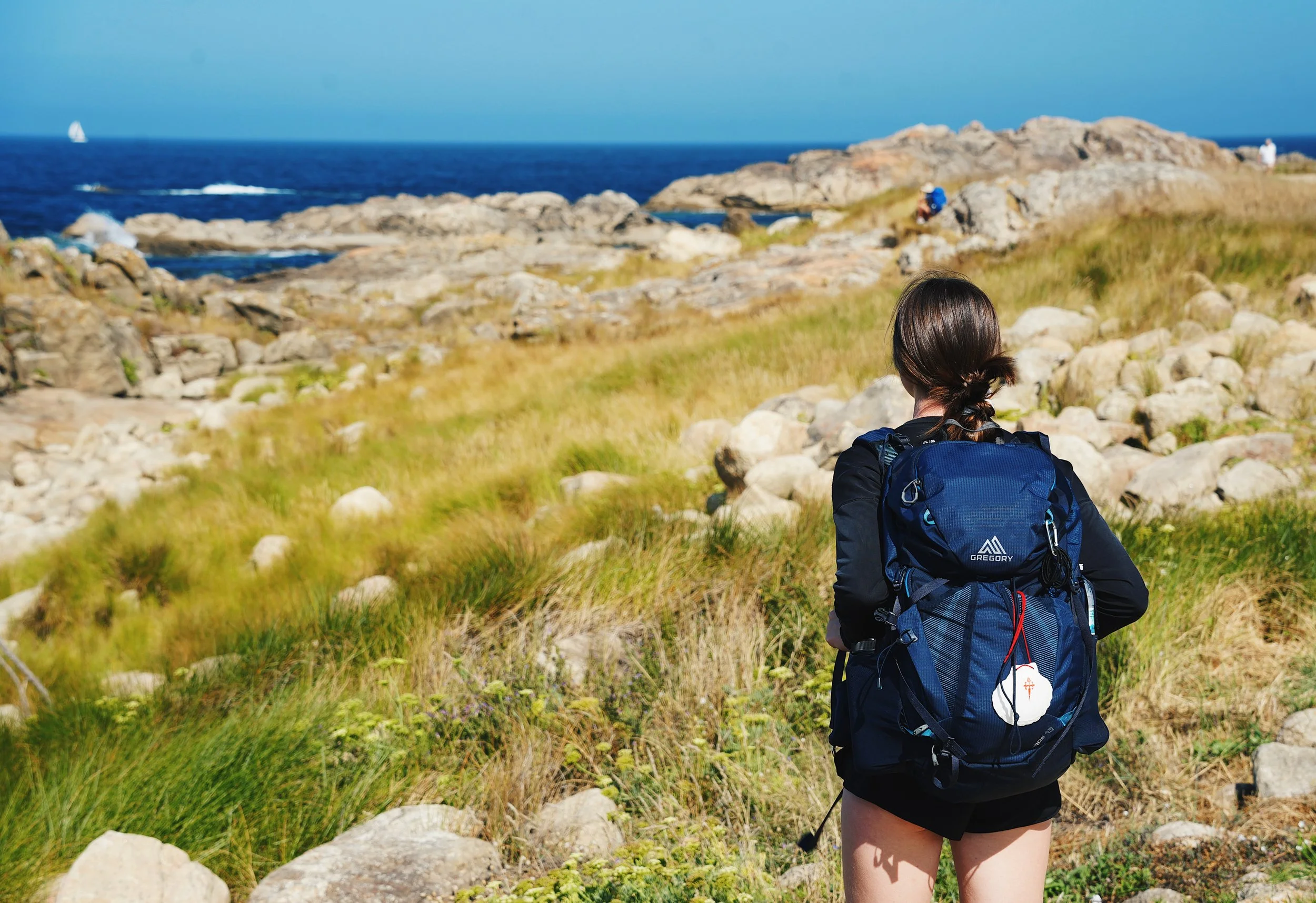
The beautiful Galician coastline after the boat crossing
Day 5: Caminha → Oia
Cross into Spain by ferry and walk through the Galician coastline.
Litoral route: 22 kilometers / 13.7 miles
Coastal route: At this point, if you follow the coastal route, the towns will be different than the ones mentioned below.
There are a few ways to cross from Portugal into Spain, and we chose to take the little boat taxi — a super easy and scenic option. It’s around €6 per person, and while we just showed up in the morning, you can also book it in advance. The ride only takes about 10 minutes, and once you're in Spain, you have two route options: add a few extra kilometers for a flatter, more scenic (and highly recommended) walk, or take the more direct path over the hill. Either way, you’ll soon reach A Guarda — one of my favorite towns on this stretch and the perfect place to stop for lunch and soak it all in. After that, the path hugs the coastline with some really stunning views, before leading into a peaceful forest section. Before reaching Oia, there's a bit of sidewalk walking along a busy road and a long stretch with barely any cafés. But the views stay pretty the whole way, and Oia makes for a beautiful end to the day.
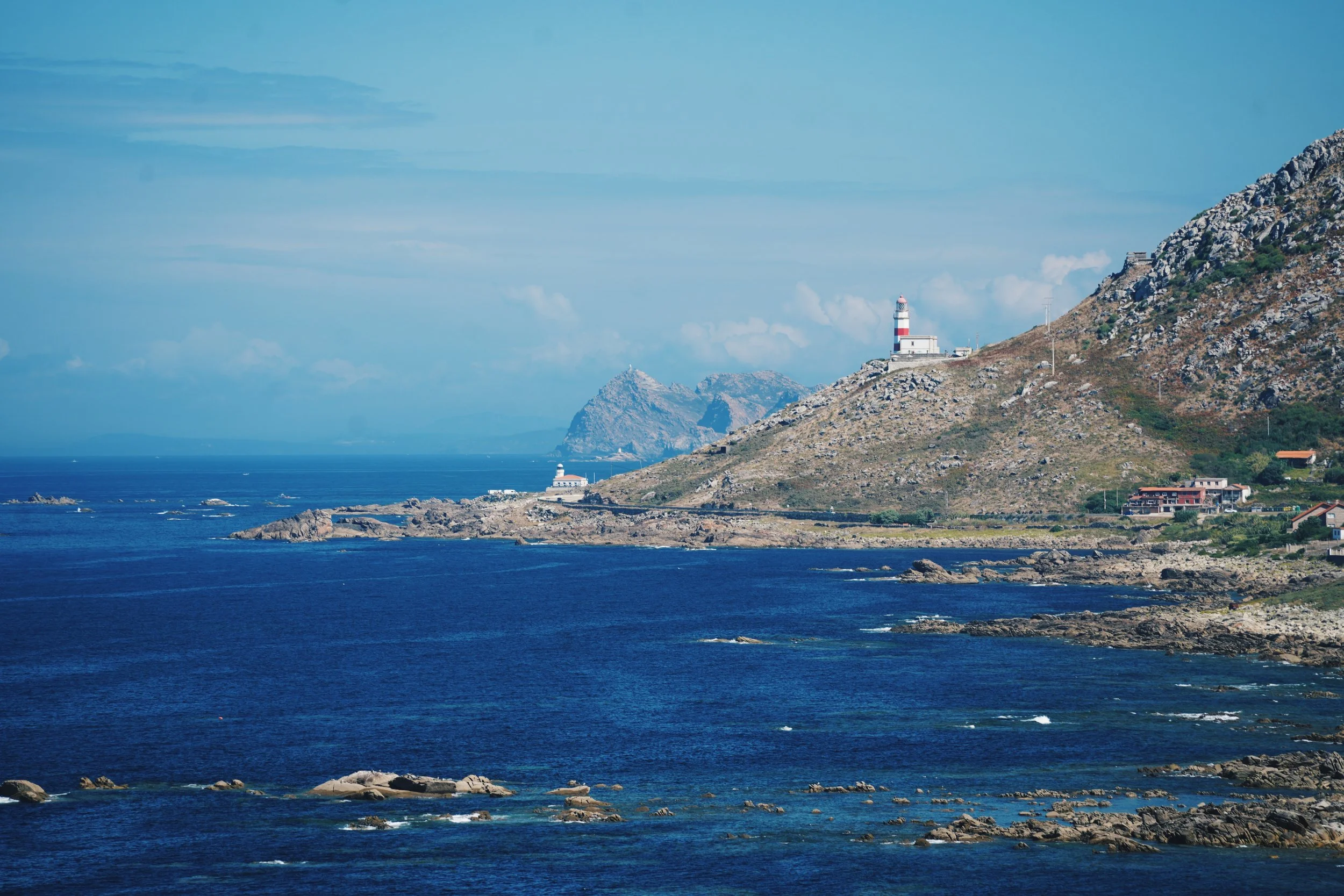
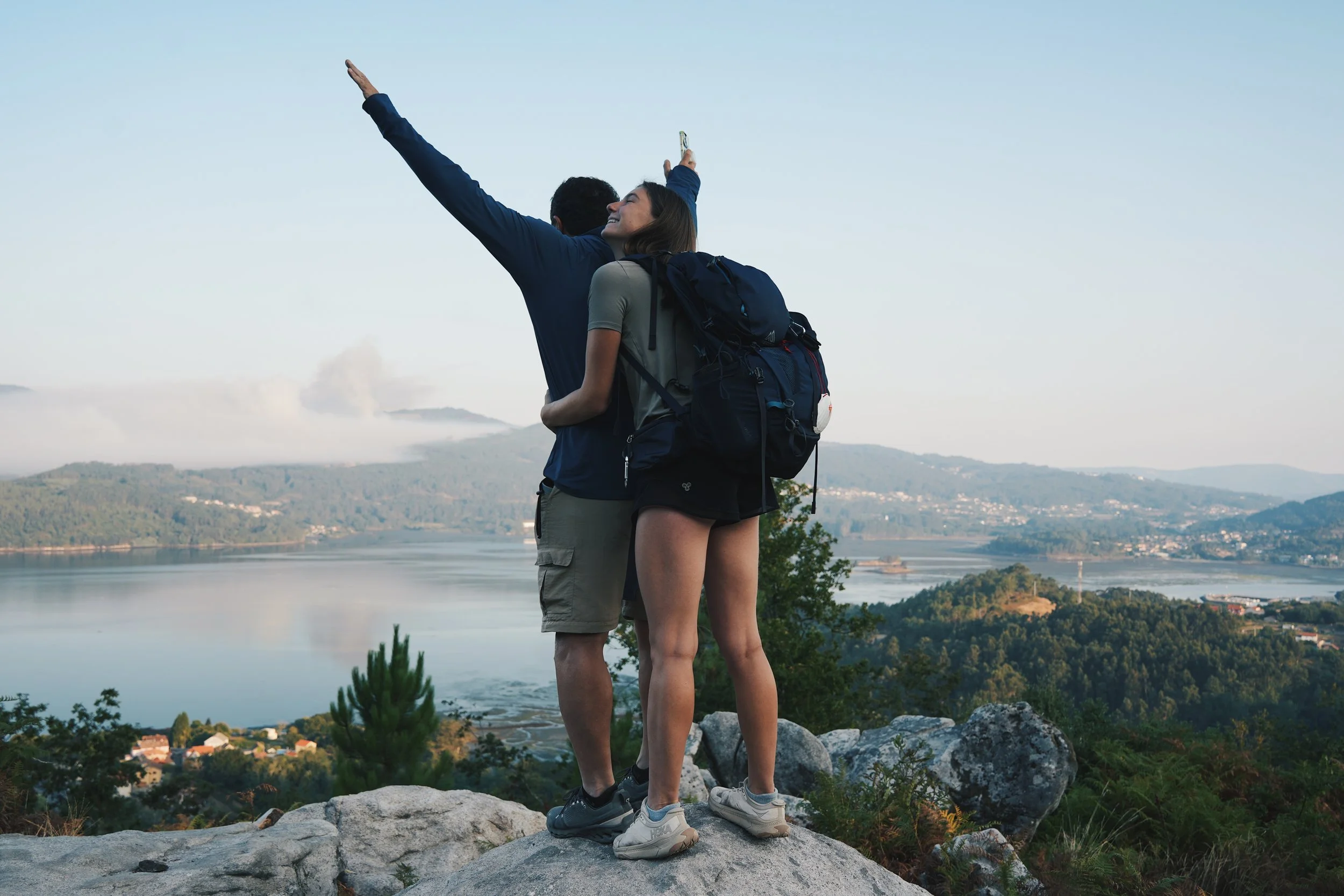
Views continuing on the Litoral Route
Day 6: Oia → San Pedro da Ramallosa (23.4 km / 15.8 mi)
One of the most scenic stretches—watch for the Cíes Islands in the distance.
Litoral route: 23.4 kilometers / 14.5 miles
The day begins with peaceful, scenic views of the coastline as the trail gently winds past quiet seaside homes, with the addition of some sidewalk walking alongside the road. A popular stop for breakfast is the Mougás Camping Grounds, a convenient spot with clean bathrooms, a café serving coffee and pastries, and a small grocery store if you need to stock up on anything. Later, the path veers inland and climbs steadily through a shaded forest trail. The uphill section is one of the more challenging parts of the day, but it's pretty, and the downhill stretch leads you onto paved roads that descend into the popular beach town of Baiona. Baiona has a fun, vacation-like energy, with ocean views, bustling streets, and lots of food options. It’s also where we tried our first-ever pulpo bocadillo (octopus sandwich), which was surprisingly simple but absolutely delicious. While Baiona would make a great overnight stop, we chose to continue a bit farther to the nearby town of San Pedro da Ramallosa, where we found an affordable stay away from the vacationers.
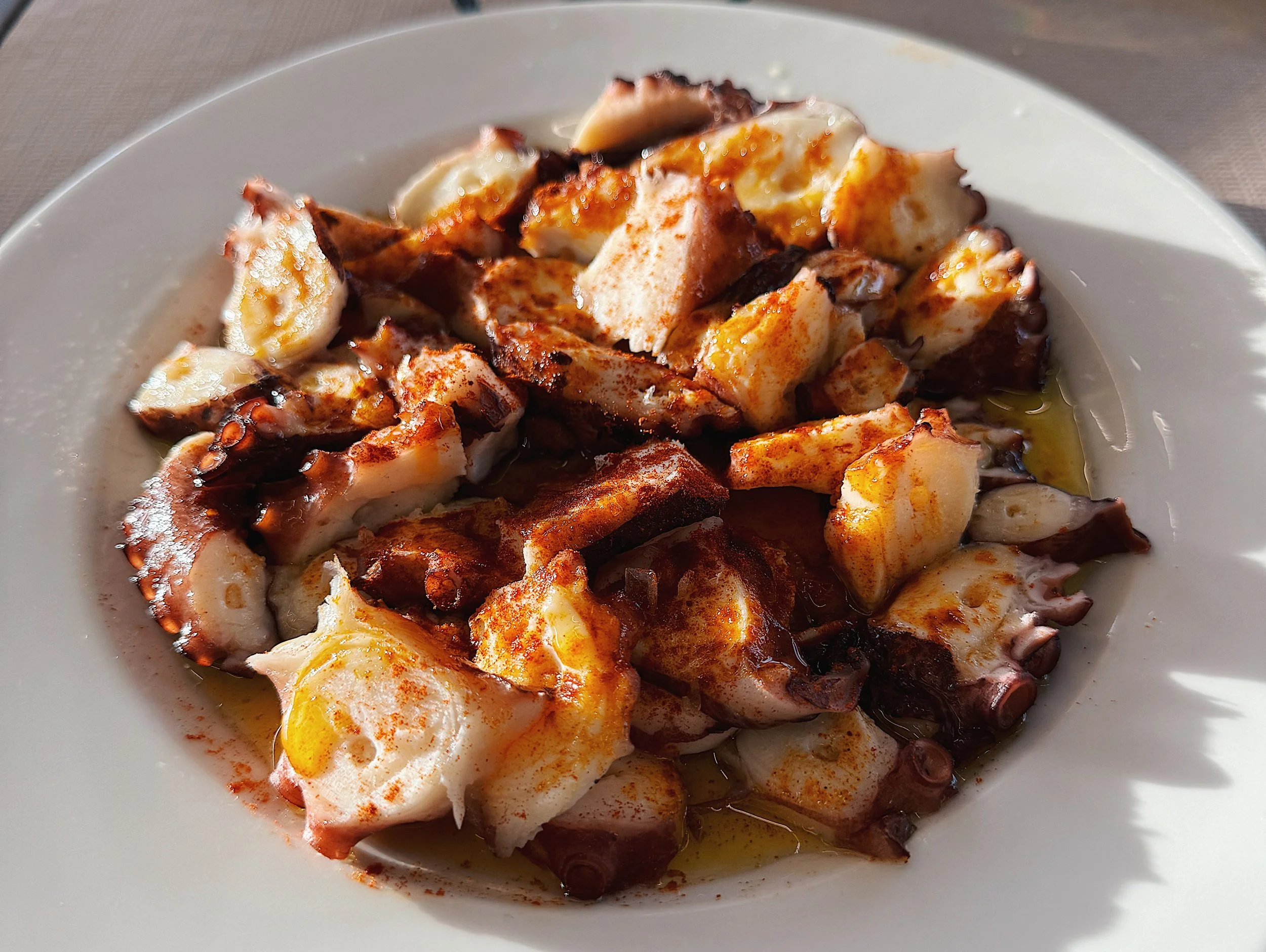
Polbo á Feira (Galician-style octopus)- a very popular tapa in the region
Day 7: San Pedro da Ramallosa → Vigo
Enter a bigger city with great food and a vibrant atmosphere.
Litoral route: 22.2 kilometers / 13.8 miles
This is the day you leave behind the small coastal towns and enter one of the largest cities on the Camino Portugués. The walk is a mix of shaded forest trails and rolling hills, but also includes a good amount of roadside walking, so be mindful of traffic along the way when there aren’t designated sidewalks. You'll pass through a handful of small towns, where you can grab a snack or take a quick break, before the long stretch along the river that eventually brings you into Vigo. It’s a big, industrial-feeling city, but also full of energy, plazas, and plenty of food options. After so many peaceful beach towns, arriving in Vigo feels like a dramatic shift, but it was refreshing to have access to a variety of restaurants and cafés, and it’s a great place to treat yourself to a nice dinner after a long walk. Plus, having so many options for breakfast the next morning didn’t hurt either.
Day 8: Vigo → Redondela
Get ready to see more pilgrims starting now.
Litoral route: 15.6 kilometers / 9.7 miles
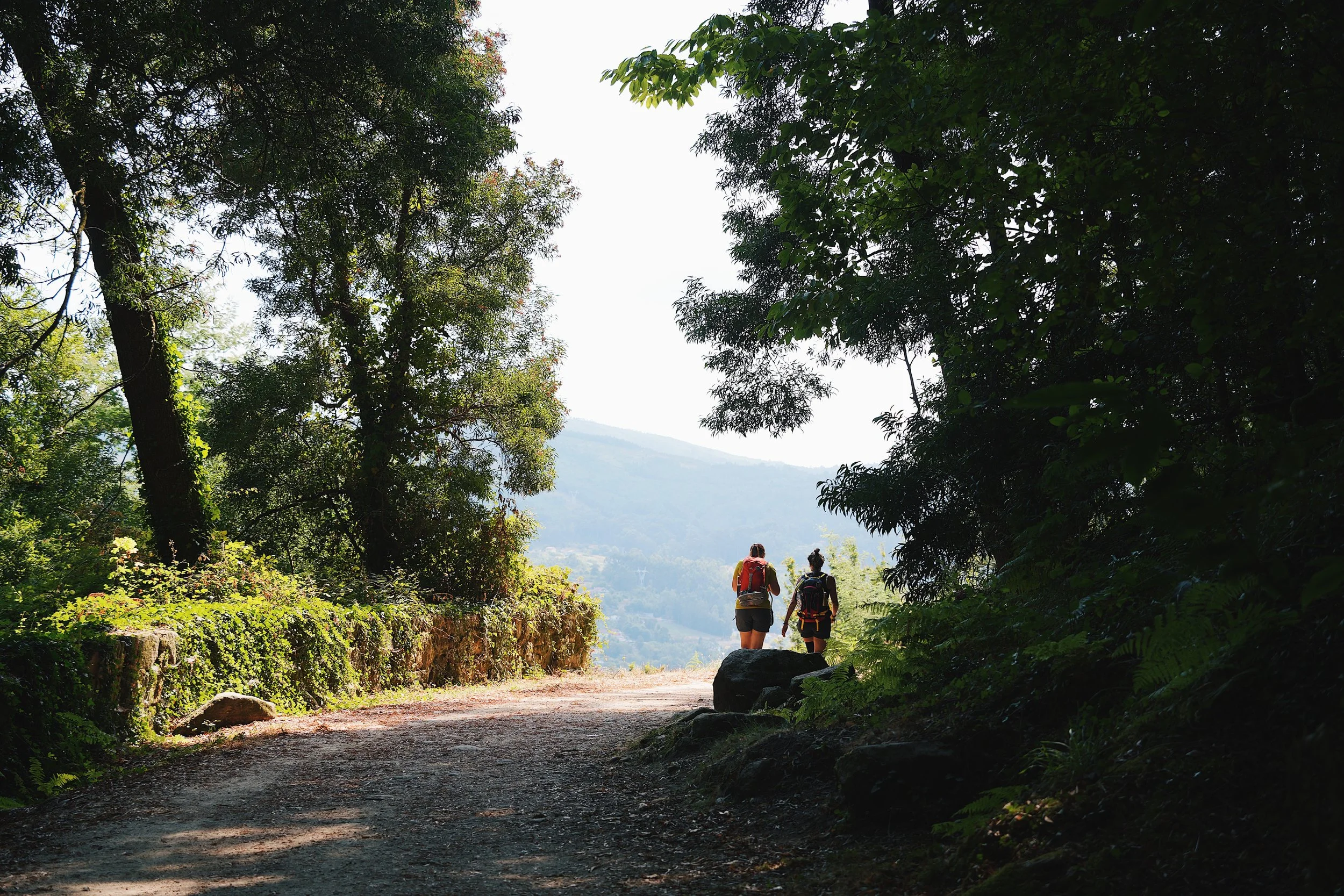
To receive the Compostela, pilgrims must walk at least 100 kilometers, which makes Vigo a popular starting point for those doing the final stretch. Depending on where you're staying in the city, the walk out of Vigo can feel long and requires going up a steep, challenging hill. But once you reach the top, you’re rewarded with sweeping views and a return to peaceful, forested trails. The shade offers a break, especially on warmer days, before the path leads you downhill again on winding roads. Along the way, you’ll pass through a few small villages with cafés, churches, and places to rest your feet. Eventually, you’ll enter Redondela, known for its iconic stone viaducts and charming town center — a lovely place to end the day.
Day 9: Redondela → Pontevedra
A beautiful forested walk into a charming city with a lively old town.
Central route: 20.8 kilometers / 12.9 miles
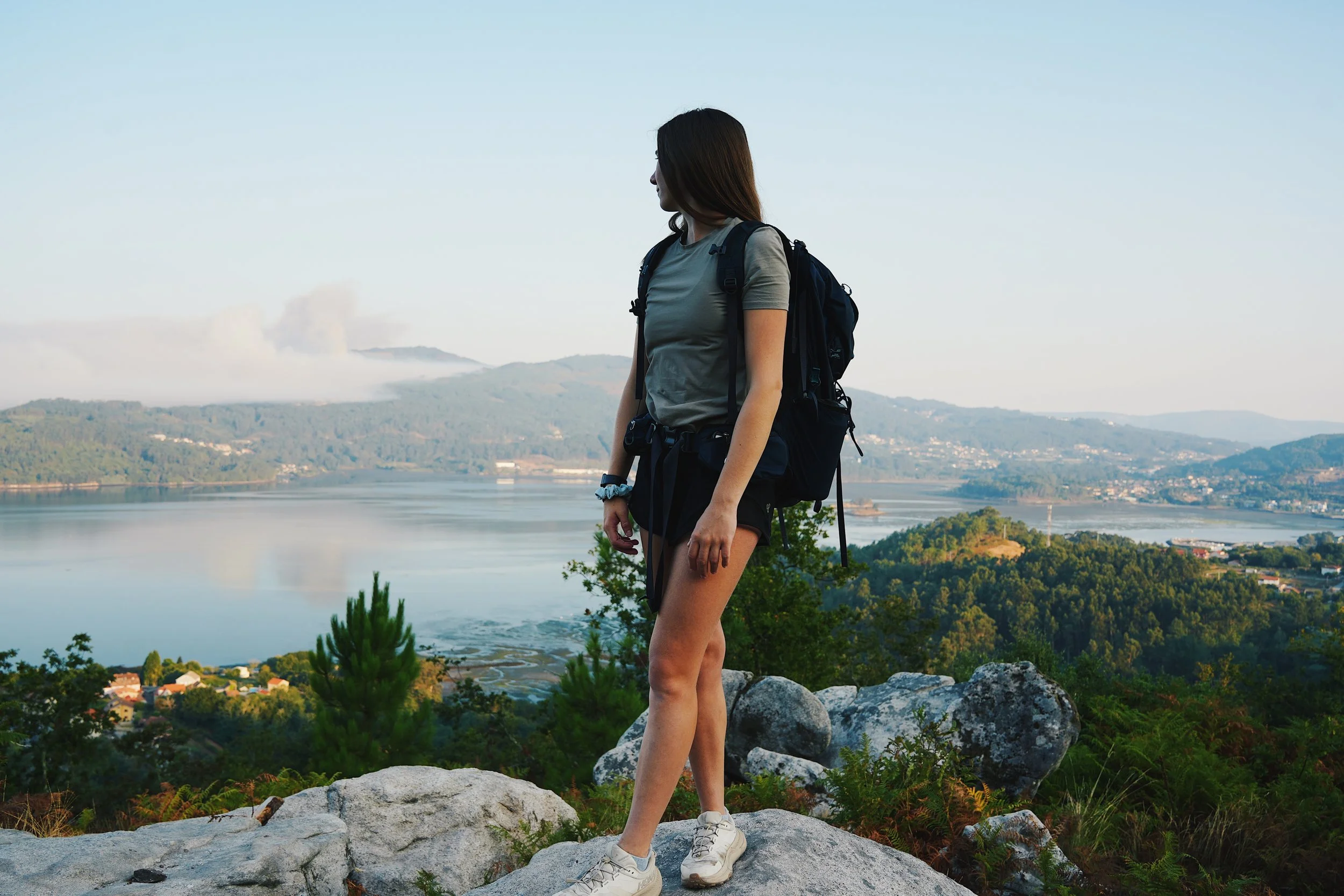
Redondela is the point where the Litoral Route merges with the Central Route, so from this stage onward, you’ll notice the trail becoming busier with fellow pilgrims. It’s a shorter walking day overall, with a gentle and steady elevation gain. The path winds through forests, small towns, farms, and lush vineyards, offering a nice mix of scenery and shade. One highlight of the day is a beautiful stretch where you can look out over the water and spot distant towns on your left. Pontevedra is a lively town, smaller than Vigo, but still full of plazas, restaurants, bars, and plenty of shops to explore. Grab a drink in one of the main squares and take time to wander the historic center.
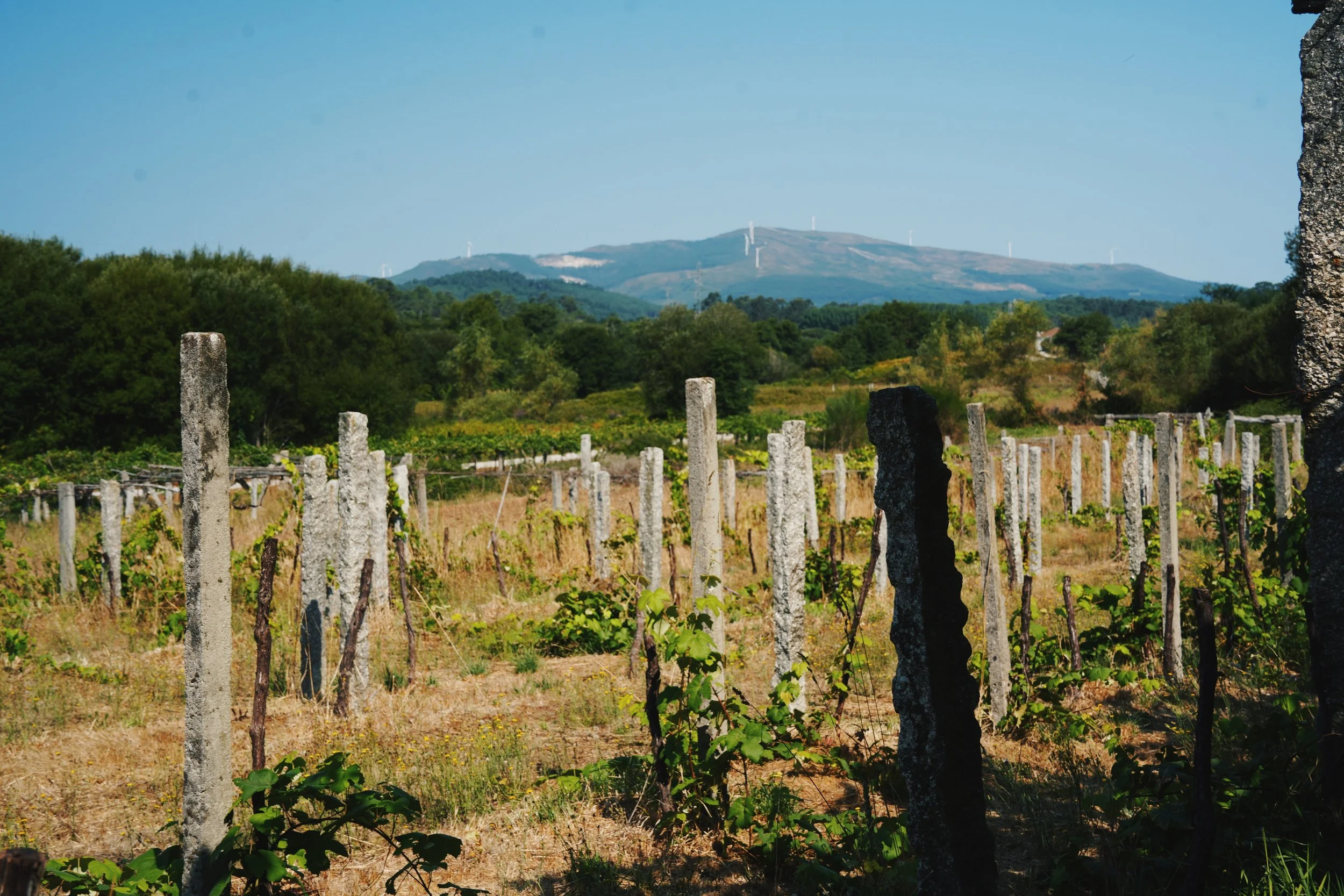
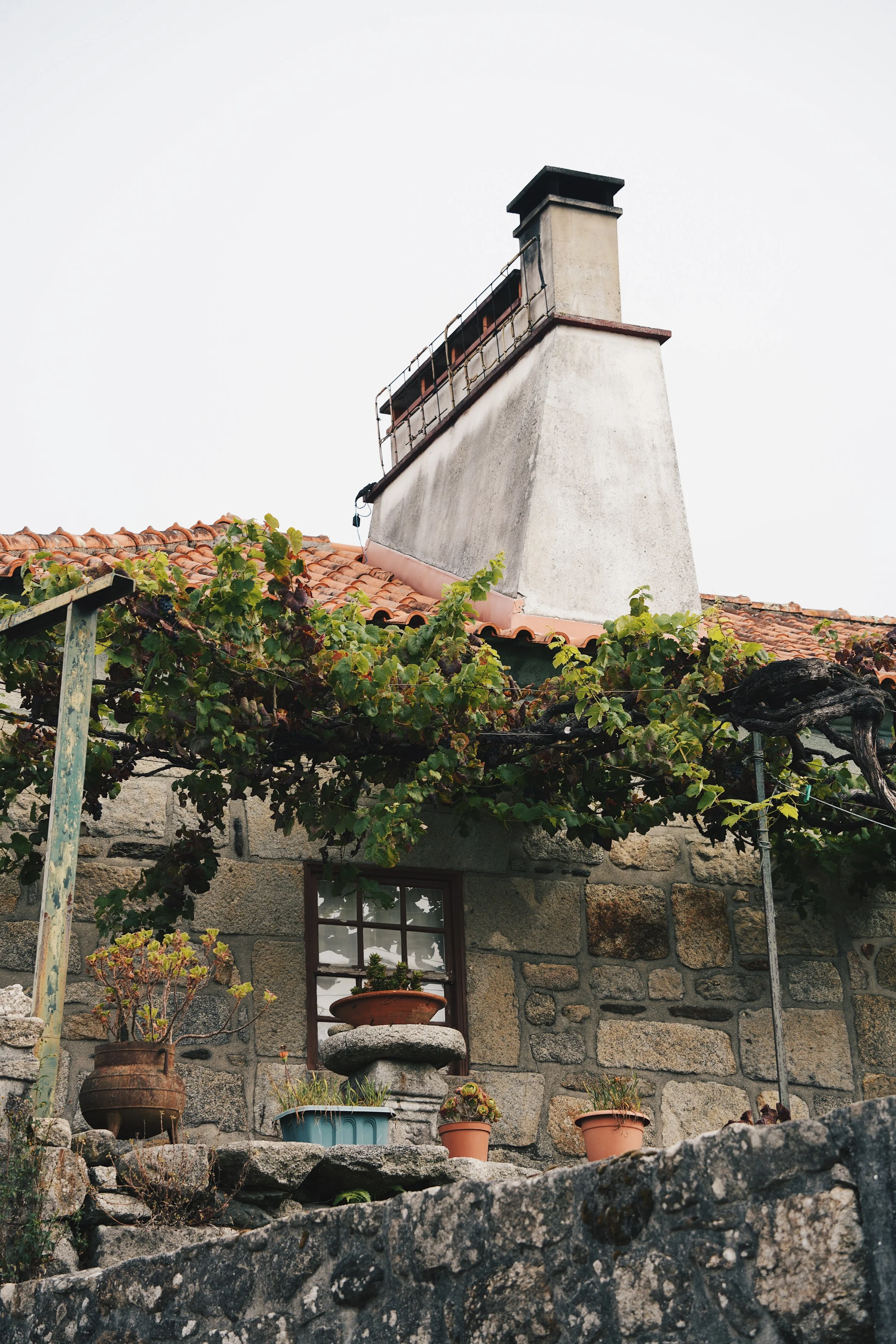
A vineyard
Day 10: Pontevedra → Caldas de Reis
Enjoy thermal waters and a relaxed small-town vibe.
Central route: 21.5 kilometers / 13.4 miles
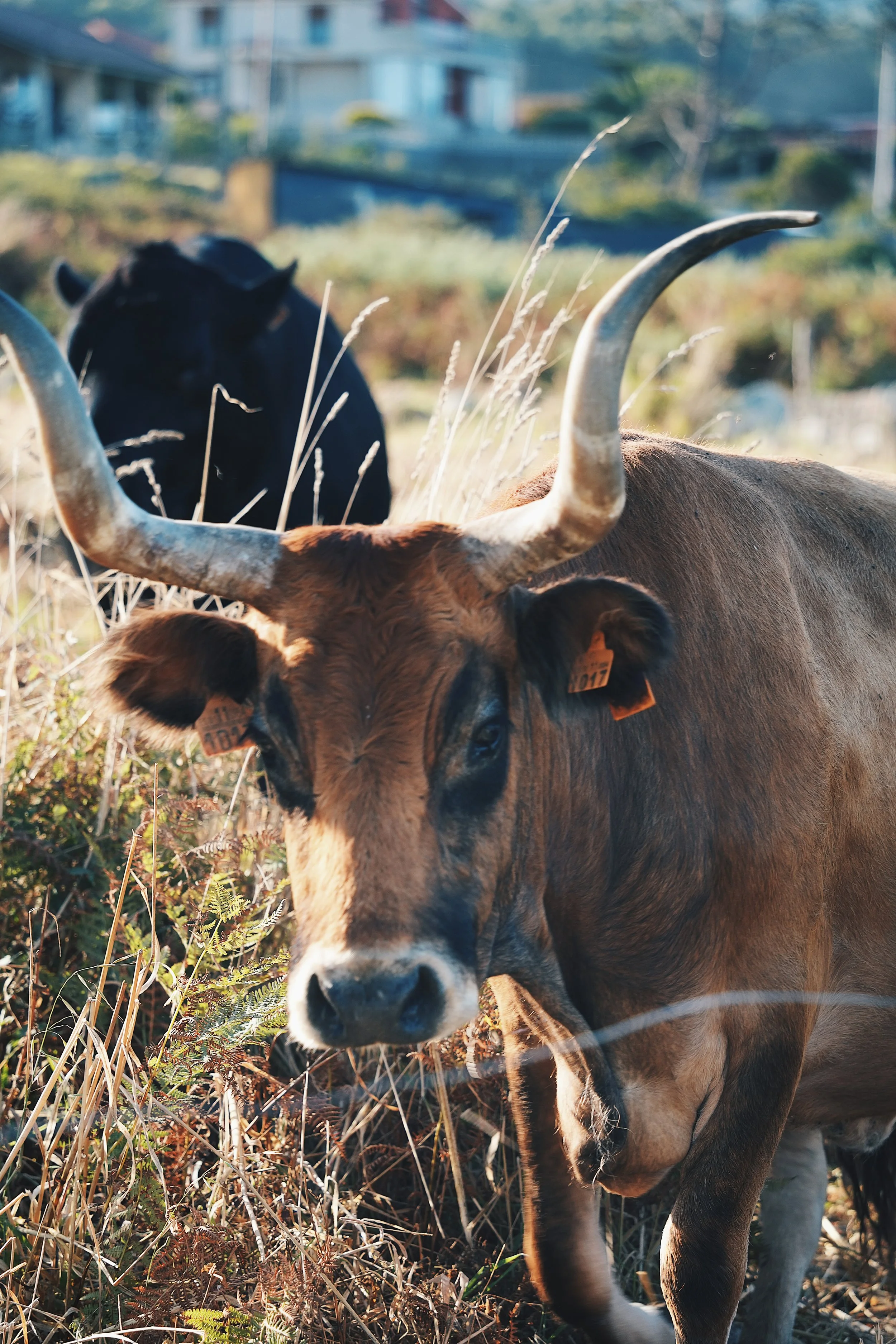
Cross the bridge out of Pontevedra and continue along a mostly flat path that alternates between pavement and gravel. Much of the day is shaded by trees, guiding you past quiet country homes, vineyards, and stretches that run alongside the train tracks. During high season, you will share the trail with plenty of fellow pilgrims. And if you’re lucky, you might spot a few horses or donkeys along the way. Be mindful during the final hours of the walk as there’s very little shade, and the summer heat can be intense in the afternoons. Once you reach Caldas de Reis, reward yourself with a dip in one of the town’s famous thermal baths, or stop at the free one right in the center.
Day 11: Caldas de Reis → Padrón
Known for its famous Padrón peppers and connection to St. James.
Central route: 18.9 kilometers / 11.7 miles
Leave the small town of Caldas de Reis and head through the peaceful countryside, past more quiet farms, forests, and small, winding roads that connect these charming rural towns. Much of the walk alternates between gravel and dirt paths surrounded by greenery, with hills in the distance. Along this stretch, keep an eye out for one of the unique tip-based wax stamps, which are a fun find for pilgrims. Padrón is also known for its famous Padrón peppers, so make sure to try some before you go.
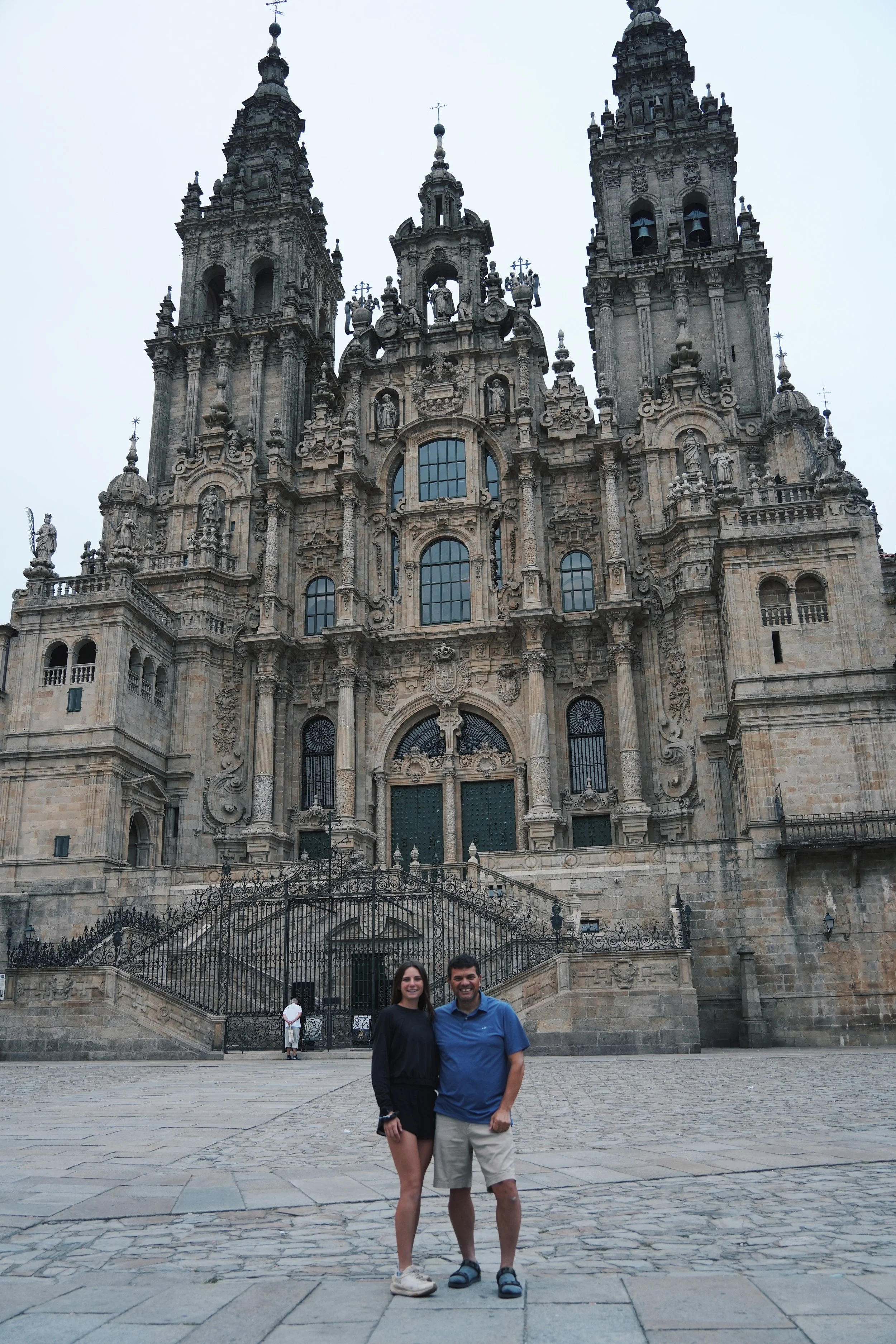
The Santiago de Compostela Cathedral
Day 12: Padrón → Santiago de Compostela
The final stretch! Arrive at the Cathedral to complete your journey.
Central route: 25.3 kilometers /15.7 miles
Take your time, breathe it in, and savor the feeling, because you’ve almost made it! Some pilgrims choose to stop in the town just before Santiago and walk the final hour or two the next morning to arrive at the Cathedral early, but we decided to complete it in one go. The first part of the day goes through small towns and follows paved roads with a steady uphill climb. Eventually, the trail shifts mostly downhill with limited shade, so prepare for a warm finish, especially in the afternoon sun. There isn’t much to see toward the end, but that first distant glimpse of Santiago from above makes every step worth it. The moment you enter the city and approach the Cathedral, all the kilometers, effort, and emotion come rushing in, and you’ll find a mix of pilgrims arriving from all different routes.
Commonly Asked Questions
Public vs Private Alburgues
Public albergues are on a first-come, first-served basis, which means pilgrims aim to arrive in the town they want to stay in very early to give themselves a better chance at finding a bed. They are typically run by municipalities, churches, or other associations and offer a simple, communal, and budget-friendly environment to spend the night. Prices average around 10 euros, and you must show your pilgrim credentials. Keep in mind, you must also bring your own bedding if choosing to stay at public albergues.
On the other hand, private alburgues tend to be a tad more in price and may include laundry or breakfast. They are privately owned and operate more like a business, and most importantly, they can be reserved in advance, which can offer more certainty when walking the Camino during peak season. Prices average around 15-25 euros, and anyone can stay. At private alburgues, bedding is often included, but it’s not a bad idea to bring at least a liner for additional protection against bed bugs.
Where do I collect my credentials (pilgrim's passport)?
There are a few different ways to pick up your pilgrim's passport. If starting in Lisbon or Porto, it’s easiest to pick it up at their respective cathedrals. Additionally, you can go to the nearest religious institution, ask if your pilgrim hostel/albergue offers it, or order it online in advance.
We bought ours for €2 each at the Porto Cathedral the day before starting. We chose to go the day prior as the Cathedral doesn’t open until 9:00, and most pilgrims are departing before then.
Where do I find stamps?
You must get your pilgrim's passport stamped along the way. There are tons of places that you can typically get stamped at, including hostels, churches, bars, cafes, restaurants, and tourist information centers. The stamps are essential for documenting your journey, and they are required to receive the official Compostela certificate in Santiago. Pilgrims should aim for at least one stamp per day, and two for the final 100 km to Santiago.
Do I need to carry lunch?
Many pilgrims will grab food from the grocery store in the morning, but along the way, you will pass lots of cafes, so it comes down to a personal decision and budget. There will be times when you will walk through a section without food options, but you can utilize the Camino apps to see what is available in each place you walk through every day (hospitals, accommodations, cafes, supermarkets, public transportation, ATMs, etc). Keep in mind that you may have more limited options on Sundays, when many places are closed, so it may be smart to carry at least snacks.
What type of shoes should I bring?
The type of shoe you wear should depend on what you are most comfortable with. You’ll see lots of people walking in both trail running shoes and hiking shoes. I think that the most important thing is that the shoes have traction, and you feel comfortable wearing them. It’s also recommended to buy a shoe that is a half size larger than what you wear to accommodate swelling.
After weeks of searching for the “perfect” shoe, I ended up using the Hoka Transport shoes because they were light, waterproof, and looked good with the outfits I planned on walking in. I was very happy with them, but once again, the perfect shoe will differ based on the person.
It’s important to bring a change of shoes/sandals for albergues as well.
Do I need a tour guide?
Not at all! The Camino de Santiago is extremely well-marked, with yellow arrows and shell symbols guiding you every step of the way. Between the clear signage, online maps, and the kindness of locals, it’s almost impossible to get lost. During high season, you’ll also meet plenty of fellow pilgrims along the trail, so you’re rarely walking alone.
It’s a very safe journey overall — many people, including solo female travelers, walk the Camino independently and have amazing experiences. If you enjoy flexibility and going at your own pace, you absolutely don’t need a tour guide.
When should I book?
Many pilgrims still follow the traditional approach, which is walking as far as they can each day and finding a place to stay once they arrive, usually checking nearby public albergues for available beds. It’s the most budget-friendly option and fits the “the Camino will provide” mindset that many pilgrims love.
However, if you’d rather avoid the stress of searching for a bed at the end of a long day, I recommend planning your itinerary and booking your accommodations about 4–6 months in advance, especially if you’re walking during high season. The only downside is that it gives you less flexibility, so if you decide to slow down or take a rest day, you’ll need to adjust your bookings, which could be a pain. Personally, I appreciated the peace of mind that came with knowing we always had a place to stay each night and how far we had to walk.
Is it easy to get lost?
The route is well-marked with frequent signs and yellow arrows. Apps like Camino Ninja and Buen Camino make it easy to stay on track and see exactly which route you’re following with their online maps. Locals are also incredibly helpful, so don’t hesitate to ask if you ever need to confirm you’re heading in the right direction.
Why the scallop shell?
The scallop shell is one of the most iconic symbols of the Camino de Santiago, representing both the journey and its destination. Historically, pilgrims carried the shell as proof they had reached Santiago de Compostela and used it as a practical tool for drinking water. Its radiating lines are said to represent the many different routes that all lead to one destination, and serve as a reminder of connection, purpose, and the shared spirit among those walking the Camino.
Where do I get my scallop shell?
Most pilgrims get their scallop shell before they begin the Camino, as it’s a powerful symbol of the pilgrimage and helps create a sense of connection among walkers. You can easily buy one online — even from places like Amazon — or pick one up at a pilgrim office, church, or souvenir shop along the route. Many towns on the Camino sell them, so even if you start without one, you’ll have plenty of chances to find yours on the way.